


Iran’s climate
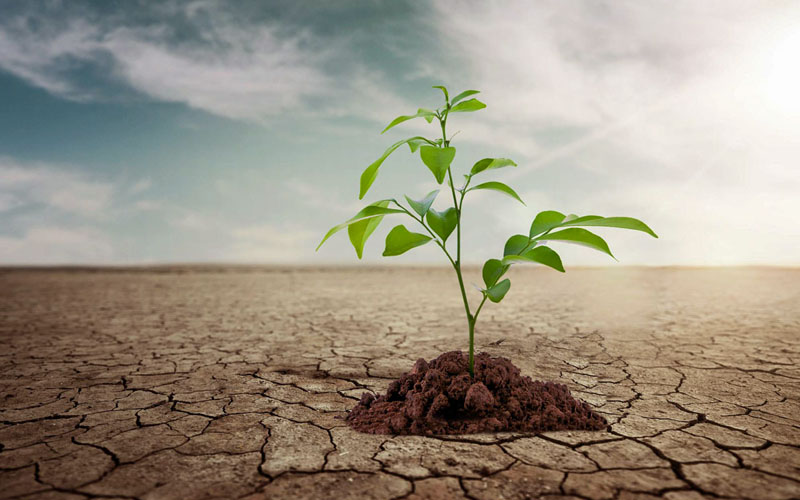
A large part of Iran is located in the hot and dry belt, and this climate covers a large part of the central plateau and eastern regions of Iran. More than two-thirds of Iran’s area is located in this climatic range. The characteristics of these areas include very low rainfall (between 30 and 250 mm per year), high temperatures in summer and large temperature differences between day and night, and long, hot summers and short winters with severe cold in the highlands.
Water crisis in Iran
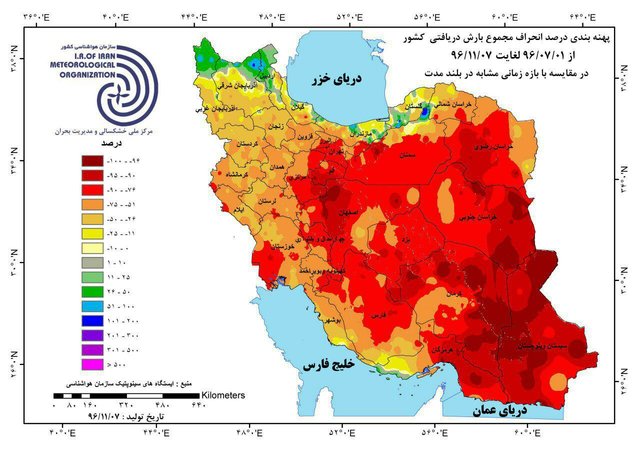
The water crisis in Iran is one of the most important environmental, economic and social challenges the country has faced in recent decades. According to reports, Iran has entered “water bankruptcy” and at least 12 provinces are facing a serious risk of complete depletion of groundwater by 2025. This crisis has had consequences such as drying up of rivers and wetlands, decline in water quality, land subsidence, expansion of desertification and emergence of social tensions. Factors affecting the water crisis in Iran include climate change and drought, unsustainable management of water resources and inefficient agriculture.
Agriculture and the water crisis in Iran
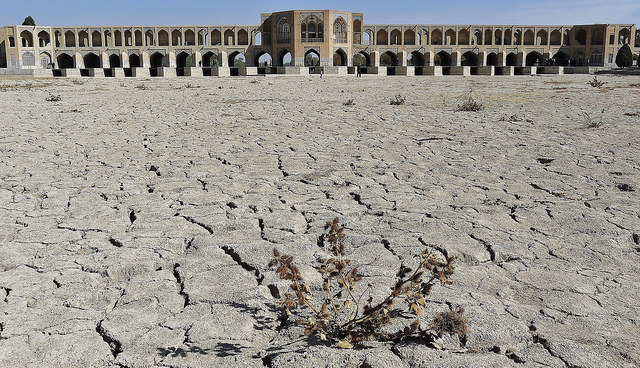
Agriculture in Iran is the largest consumer of water in the country (over 90%) and plays a major role in exacerbating the water crisis due to traditional irrigation methods and inappropriate cropping patterns. Excessive extraction of groundwater resources, cultivation of water-intensive crops in arid regions, and reduced rainfall due to climate change have led to reduced production, threatening food security, soil erosion, and rural migration.
Solutions to deal with the water crisis in Iranian agriculture
Modern and smart irrigation
The development and use of drip, subsurface, and sprinkler irrigation systems can reduce water consumption by up to 70% and greatly increase irrigation efficiency.
Smartization using sensors, control software, and precision technologies allows for water savings of up to 30–40%.
Improving cropping patterns and drought-resistant crops
Replacing water-intensive crops such as forage corn with less water-intensive alternatives such as sorghum and quinoa has a significant impact on reducing water consumption.
Cultivating medicinal plants, pistachios and saffron, which require less water, are considered a sustainable solution.
Genetic modification of seeds to produce and develop drought-resistant or early-maturing specimens can reduce water consumption by up to 30%.
Applying methods such as “regional cropping patterns” and water markets
It is essential to design cropping patterns according to the climatic characteristics of the region, resource sustainability and added value of products. The creation of a local water market, the definition of water rights and the possibility of buying and selling water to farmers have been proposed to protect groundwater resources.
Promoting participation and indigenous knowledge
Applying participatory approaches to water resources management, forming cooperatives, and involving farmers in decision-making and resource allocation increases the effectiveness of strategies.
Training farmers in new methods, resource management, and crop pattern modification is a prerequisite for the success of these solutions.
Solutions for protecting agricultural products in extreme heat
1- Selecting resistant varieties and soil improvement
Using heat or drought tolerant varieties that perform better under high temperature or water deficit conditions.
Enhancing soil health by reducing tillage, using cover crops such as legumes, and adding compost to the soil, which helps retain moisture better and strengthen soil structure.

2- The effect of fertilizers in reducing heat stress
Heat stress occurs due to high air temperatures and direct sunlight, which causes increased transpiration, reduced photosynthesis, leaf scorch, and ultimately wilting or death of the plant.
Proper and timely use of fertilizers can help improve plants’ resistance to heat stress. Meeting the calcium, potassium, and boron needs of plants is essential in these conditions. Also, proper timing and proper irrigation along with fertilizer use can increase their positive effects.
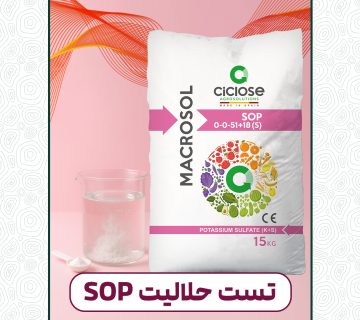
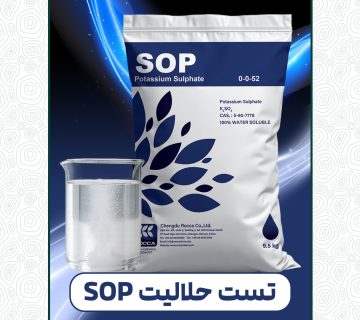
- Using high-potassium fertilizers (potassium sulfate macrosol) increases the plant’s tolerance to environmental stresses.
- Fertilizers containing potassium silicate to strengthen cell walls and reduce transpiration (Resist and Kasio fertilizers)
- Foliar application of seaweed and amino acids to help the plant recover and reduce stress (Switch, Amigo, and Salga fertilizers)
- Strengthening the root system with humic acid or fulvic acids to improve water absorption (Kamit and potassium humate fertilizers)

3- Strategic use of mulch (soil cover)
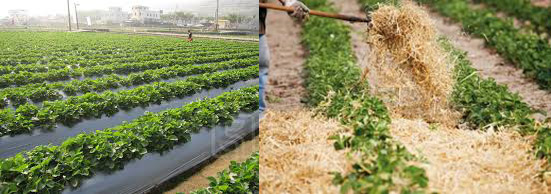
Organic mulches, such as straw, hay, or living covers like clover, reduce soil surface temperatures, retain moisture, and reduce evaporation.
A layer of mulch or plastic mulch should be spread around the plant, away from the base of the plant, to prevent soil compaction.
4- Improving irrigation methods
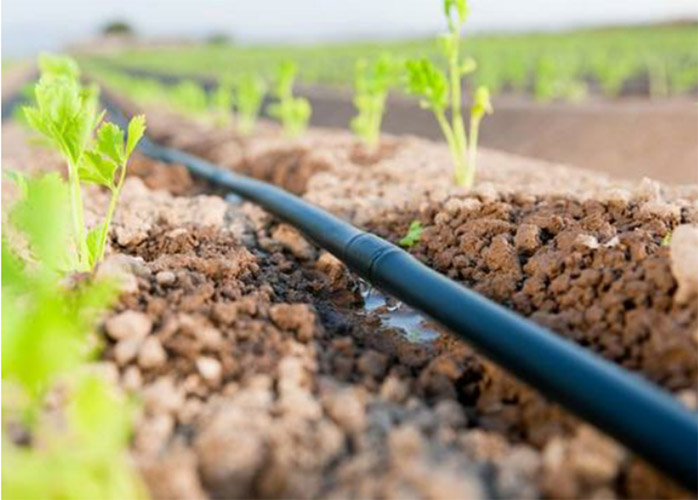
Using drip irrigation to deliver water directly to the roots and prevent loss due to evaporation
Watering during the cooler hours of the day, especially early in the morning, helps maintain soil moisture and prevent evaporation; evening watering is also recommended, although morning is preferable.
Use soil moisture sensors to make more accurate decisions about when and how much to water.
5- Shading and microclimate design
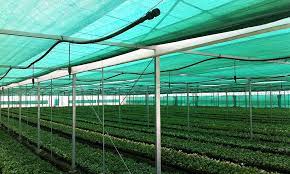
Use shade cloth to protect plants from direct sunlight.
Intensive or companion planting; taller plants act as natural cover to create shade and protect more sensitive plants.
6 – Controlled environment protection systems
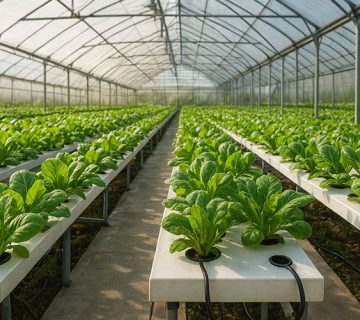
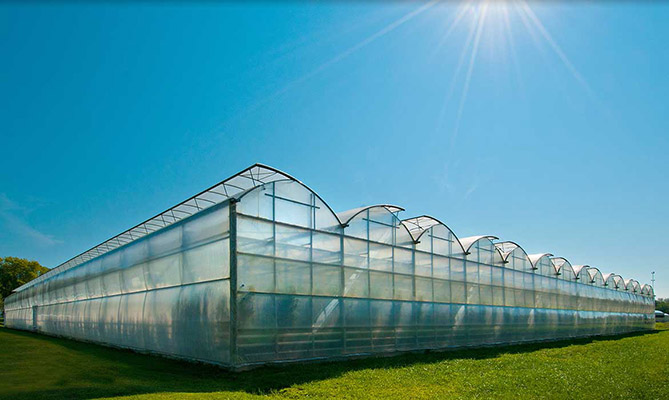
Use of greenhouses, with features such as ventilation, shading, and evaporation systems to control temperatures in hot conditions.
Conclusion
Despite the severe water crisis in Iran, farmers can reduce water consumption by more than 60 percent by choosing the right cropping pattern and using modern irrigation methods such as drip irrigation, sprinkler irrigation, or greenhouse cultivation, while simultaneously realizing maximum utilization of limited resources. Choosing low-water and drought-resistant crops, intelligent irrigation scheduling and management, using canopies and soil mulch, and utilizing moisture measurement technologies allow for increased water efficiency; provided that the farmer is up-to-date and makes decisions based on knowledge and technology. These measures not only prevent water waste, but also ensure sustainable income for the farmer and maintain food security.