




Nutrient deficiencies in gerberas often manifest as distinct symptoms on the leaves, flowers and overall plant growth, reducing quality and yield. Nitrogen deficiency typically causes pale and stunted plants with yellowing of older leaves, while phosphorus deficiency results in dark green foliage, poor root growth and delayed flowering. Potassium deficiency manifests as leaf margin burn, weak stems and smaller flowers. Calcium deficiency can cause malformed young leaves and flower bud abortion, and magnesium deficiency manifests as interveinal chlorosis in older leaves. Micronutrient deficiencies, such as iron, manganese or boron, result in chlorosis, leaf deformation, stem brittleness and poor flower development. Identifying and correcting these imbalances through balanced fertilization and proper pH management is crucial for healthy gerbera production.
For optimal growth and flowering, gerberas require a balanced environment with careful nutrient management. The ideal climate is temperate, with daytime temperatures between 20 and 25°C and nighttime temperatures around 15 to 18°C, as extreme heat or cold can reduce flower quality. Gerberas prefer bright, indirect light with a 12 to 14 hour photoperiod and good air circulation to reduce disease pressure. The growing medium should be well-drained, loose and slightly acidic (pH 5.5 to 6.5) with high organic matter to support healthy roots. For nutrition, a balanced fertilizer regimen is essential: nitrogen (N) for vegetative growth, phosphorus (P) for root and flower growth, and potassium (K) for stem strength and flower color/size. Adequate calcium (Ca) prevents malformation, magnesium (Mg) maintains green leaves, and micronutrients such as iron, boron, and manganese are vital to prevent chlorosis and flower malformation. Frequent but moderate irrigation with clean water, avoiding waterlogging, helps maintain healthy roots. Regular monitoring of EC and pH ensures that nutrients are available without causing salinity stress.
Macro-N (nitrogen) deficiency
Nitrogen deficiency in gerberas manifests as yellowing (chlorosis) of younger leaves, resulting in a lighter green color throughout the plant and smaller plant size. This deficiency results in reduced growth, smaller leaves, and premature leaf senescence, as nitrogen is essential for healthy vegetative growth. Lower nitrogen content in leaf tissue is associated with these visual symptoms, and plants with nitrogen deficiency will grow slowly and show less vigor. Proper nitrogen fertilization is essential to prevent these symptoms and support optimal growth and flowering of gerberas. This deficiency is common in commercial production due to nitrogen deficiency or poor growing conditions.

Kimat’s proposed solution:
Macro-P (phosphorus) deficiency
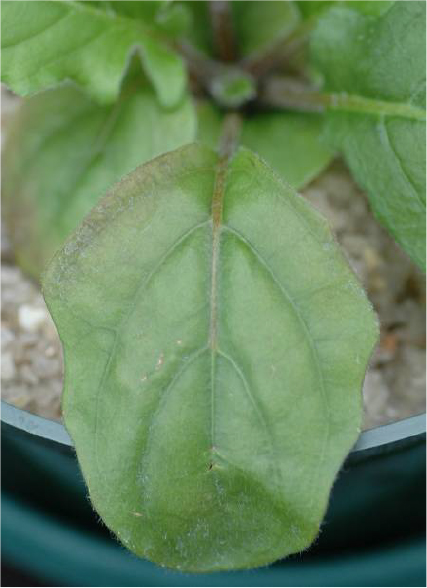
Phosphorus deficiency in gerberas is characterized by darker green leaves at first, followed by a lighter green to yellowish green color and the development of a purple hue – especially on the lower and older leaves. As the deficiency progresses, the leaves may become small and twisted, the plant’s growth and flowering cease, and the flowers produced may be short and pale. These symptoms are more pronounced in older leaves because phosphorus is a mobile nutrient in the plant and its deficiency is often caused by insufficient fertilization, low phosphorus in the soil, or conditions that reduce nutrient uptake.
Kimat’s proposed solution:
Macro-K (Potassium) deficiency
Potassium deficiency in gerbera initially appears as brown or light tan necrosis along the margins of older, mature leaves, and the necrotic areas enlarge over time. As the deficiency progresses, the affected margins may become wider, eventually causing browning and loss of the entire leaf margin, while the center of the leaf remains green. Other symptoms include leaf curling and reduced plant vigor. This condition, if not corrected with appropriate potassium fertilization, leads to reduced dry weight, poor growth, and reduced flowering and overall plant health.

Kimat’s proposed solution:
Secondary macronutrient deficiency – Magnesium (Mg)
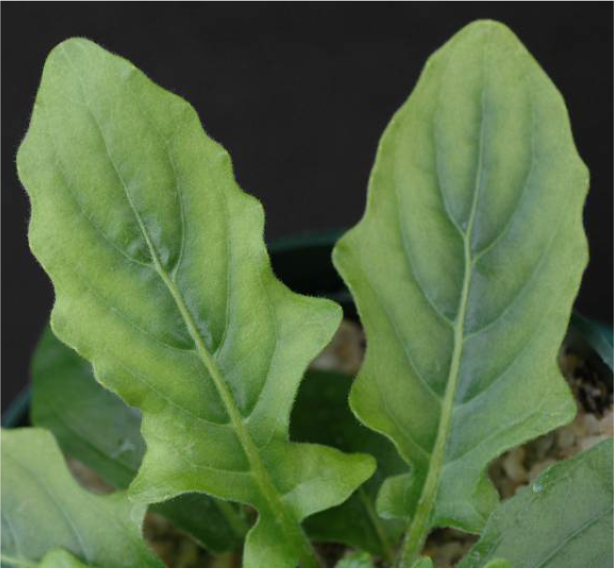
Magnesium deficiency in gerberas initially manifests as interveinal chlorosis (yellowing between the veins) on the lower, older leaves, while the veins remain green. As the deficiency progresses, the yellowing spreads and necrotic brown spots develop on these older leaves. Magnesium is mobile within the plant, so symptoms appear first on older leaves as the plant moves magnesium to newer tissues. Deficiency can cause reduced vigor and poor growth. Often, magnesium deficiency occurs due to conflict with high levels of calcium or other elements.
Kimat’s proposed solution:
Secondary macronutrient deficiency – Calcium (Ca)
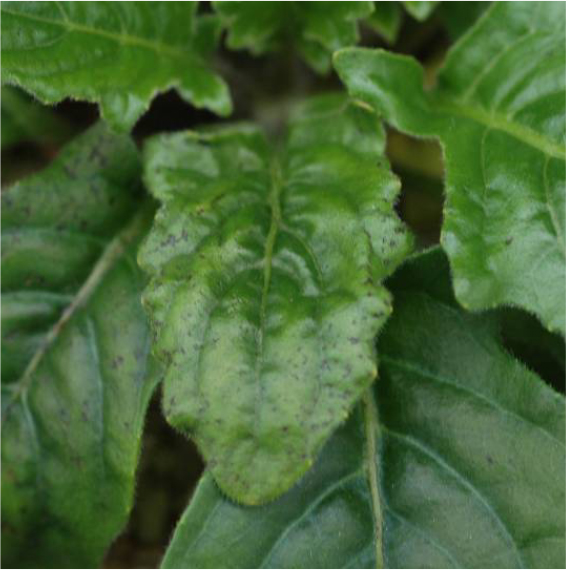
Calcium deficiency in gerbera is characterized by the appearance of brown spots between the veins on newly mature leaves and leaves in the latter half of their growth stage, with the necrosis gradually enlarging and extending to older leaves. New growth is usually affected first, showing malformed, cupped or wrinkled leaves with brown spots along the leaf margins and veins turning brown. The deficiency also inhibits root tip growth, resulting in stunted plants with reduced height, fewer nodes and less leaf area. Calcium is immobile in plants, so symptoms mainly affect young, rapidly growing tissues and meristems. Calcium deficiency can be exacerbated by poor calcium uptake due to waterlogged soil, competition with other nutrients or low transpiration rates, making adequate calcium nutrition essential for healthy gerbera growth.
Kimat’s proposed solution:
Secondary macronutrient deficiency – sulfur (S)
Sulfur deficiency in gerbera is characterized by younger leaves being lighter green to yellowish-yellow in color, as newly mature leaves develop uniform chlorosis that does not show distinct interveinal patterns. This deficiency results in smaller, often yellow-white leaves and stunted growth, including reduced root size. Symptoms appear first in younger leaves and persist even after nitrogen application, due to sulfur’s role in essential processes such as chlorophyll formation and protein synthesis. As the deficiency continues, flower color may also fade and overall plant quality declines, and adequate sulfur nutrition is critical for healthy growth and blooms in gerbera.

Kimat’s proposed solution:
Micro-element deficiency – Fe (iron)
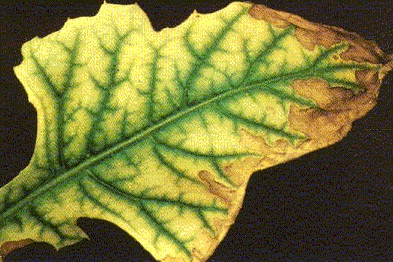
Iron deficiency in gerberas is primarily characterized by interveinal chlorosis (yellowing between the veins) in younger, newly mature leaves, while the veins remain green. This occurs because iron is immobile within the plant, so deficiency symptoms first appear on new growth. Affected leaves may eventually develop small, necrotic spots as the deficiency progresses. Causes of iron deficiency include high soil pH (usually above 6.2), iron deficiency in the growing medium or fertilizer, root diseases, cold temperatures, and waterlogging conditions that impair root function and nutrient uptake. Management includes ensuring proper pH (5.8 to 6.2), using iron chelates as needed, addressing root health, and avoiding overwatering.
Kimat’s proposed solution:
Micro-element deficiency – Mn (manganese)
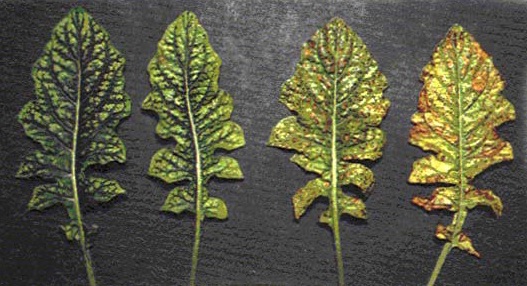
Manganese deficiency in gerberas usually causes interveinal chlorosis (yellowing between the veins) in younger leaves, similar to iron deficiency, with yellow to white leaf areas and relatively broad green veins. In severe deficiency conditions, necrotic brown spots develop between the veins and the leaf margins may become twisted, wrinkled or wavy. New leaf growth is often stunted and severe deficiency results in misshapen and wilted leaves that give the plant a burnt or shriveled appearance. Manganese deficiency usually occurs in soils with high pH or poor drainage, which limits manganese availability to the roots. This type of deficiency is well documented in gerbera cultivation and can be corrected with manganese supplementation if necessary.
Kimat’s proposed solution:
Deficiency of microelements – Cu (copper)
Copper deficiency in gerbera is characterized by deformation of young leaves and interveinal chlorosis in newly mature leaves, which reduces plant vigor and reduces its quality and yield; among micronutrient deficiencies, copper symptoms are usually the first to appear and must be recognized early to prevent further damage to flower production.

