


Macro-N (nitrogen) deficiency
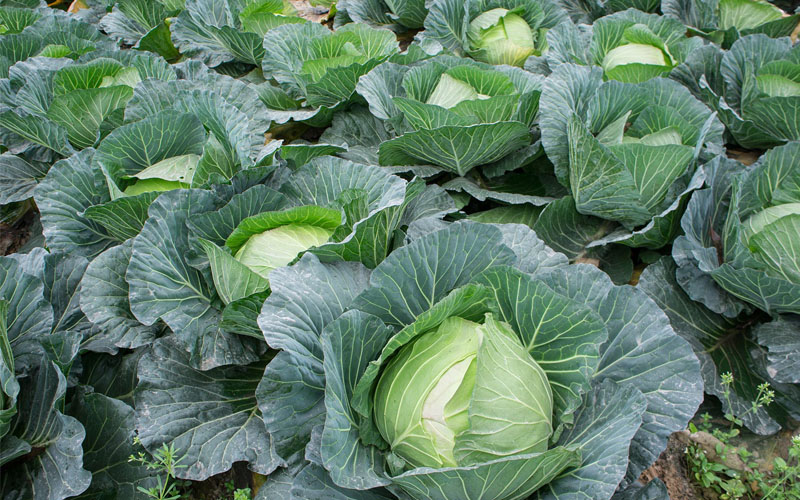
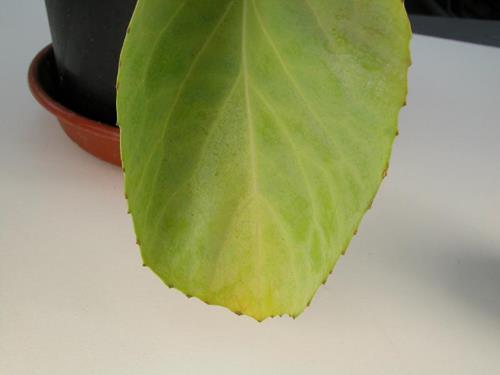
Nitrogen deficiency in cabbage causes older leaves to turn a yellowish-green color (chlorosis), while maintaining normal leaf shape but smaller size. Symptoms begin on older leaves and then spread to the entire plant. Some leaves may show a reddish or orange tinge. Growth is severely restricted, crop development is delayed, and older leaves may rot or die. In severe cases, the cabbage plant may fail to form a proper head. This deficiency is common in sandy soils, after heavy rainfall, or in conditions where excessive nitrogen has been leached or waterlogged. Managing nitrogen levels is critical to ensuring healthy growth and yield.
Kimat’s proposed solution:
Macro-P (phosphorus) deficiency
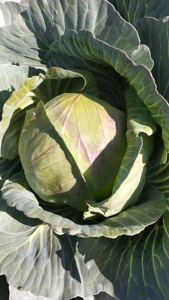
Phosphorus deficiency in cabbages in the early stages primarily causes severe stunting, without significantly affecting the plant’s color or overall appearance. As the deficiency progresses, the leaves may turn purple or reddish due to the accumulation of sugars and anthocyanin pigments, especially in older leaves. This discoloration is often mistaken for nitrogen deficiency, but is usually darker and more pronounced. Phosphorus deficiency also results in stunted root growth, delayed maturity, and overall plant weakness. This deficiency is more common in acidic, clayey, or sandy soils with low organic matter, and is worsened in cool, wet conditions. Proper phosphorus nutrition is key to early growth and root development and can be addressed by soil or foliar phosphorus applications.
Kimat’s proposed solution:
Macro-K (Potassium) deficiency
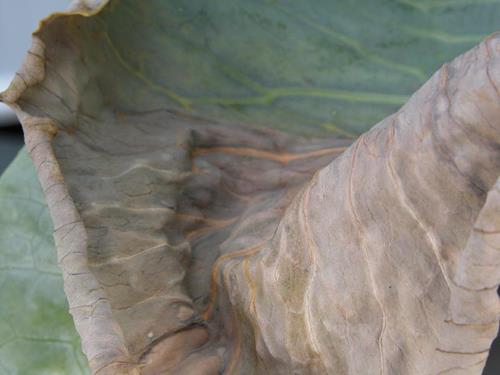
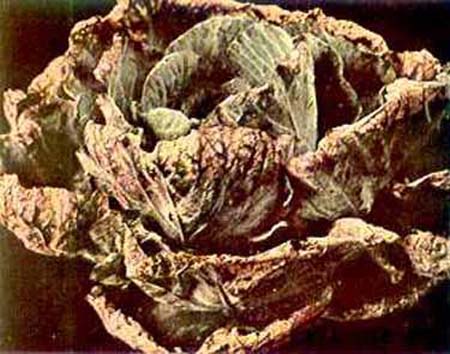
Potassium deficiency in cabbages usually appears first on older leaves, with symptoms including yellowing and browning (necrosis) along the margins and tips of the leaves that progress inward while the main veins remain green. The leaves may curl upward, become brittle, dry, and scorched, often leading to premature leaf drop. This deficiency stunts plant growth, causes smaller, loose heads, and increases susceptibility to diseases and environmental stresses such as drought and cold. This condition is common in sandy or acidic soils or where potassium is washed away by heavy rain or irrigation. Corrective measures include applying potassium through the soil or foliar spray to restore nutrient balance and improve crop health and yield.
 |
 |
Kimat’s proposed solution:
Secondary macronutrient deficiency – Magnesium (Mg)
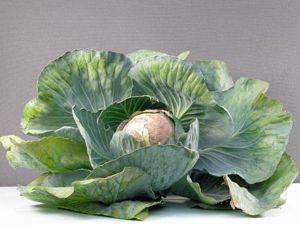
Magnesium deficiency in late-maturing cabbages usually manifests as interveinal chlorosis in older leaves – yellowing between the veins while the veins themselves remain green – and can lead to necrotic spots and curling or serration of the leaf margins. This deficiency is often caused by soil magnesium deficiency, acidic or sandy soils prone to leaching, or excessive potassium fertilization, which interferes with magnesium uptake. This deficiency causes reduced chlorophyll, stunted plant growth, impaired crown formation, and ultimately reduced yield and quality.
Kimat’s proposed solution:
Secondary macronutrient deficiency – Calcium (Ca)
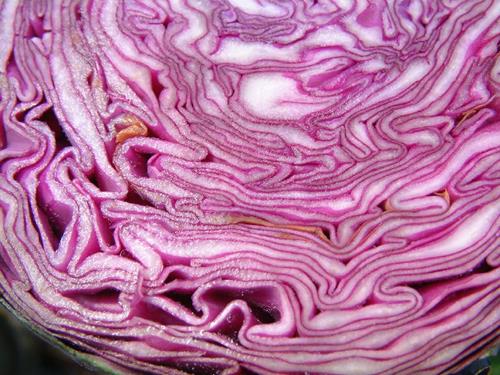
Calcium deficiency in cabbages usually manifests as “leaf tip burn”, in which the edges and tips of young, inner leaves develop necrotic (brown or black) lesions, while outer leaves are usually unaffected. Severe deficiency during early growth can stunt growth to the point where no leaflets form. This problem is often not caused by a lack of calcium in the soil, but rather by limited calcium uptake due to factors such as water stress, soil compaction, or high levels of competing nutrients such as ammonium, potassium, or magnesium. Rapid growth in hot, humid conditions can also cause symptoms, as calcium is immobilized in plants and must be continuously absorbed for healthy leaf growth.
Kimat’s proposed solution:
Secondary macronutrient deficiency – sulfur (S)
Sulfur deficiency in cabbage causes stunted growth, delayed growth, and poor head formation, with young leaves initially showing uniform chlorosis (yellowing), which helps distinguish it from nitrogen deficiency, which initially affects older leaves. Affected leaves may become brittle and watery, and the crop becomes more susceptible to fungal infections. Since cabbage plants require relatively high amounts of sulfur, a consistent supply throughout the growing season is essential to prevent these symptoms and maintain healthy crop growth. This deficiency is most often seen in light, sandy soils prone to sulfur leaching. Management involves providing sulfur through fertilization and monitoring soil sulfur levels to ensure adequate availability at key growth stages.