


Calcium deficiency in plants
Calcium is a chemical element in the periodic table with the chemical symbol Ca and is part of the alkaline earth metal group. It is the fifth most abundant element in the Earth’s crust and the third most abundant metal after iron and aluminum.
The role of calcium in plants:
Calcium is one of the elements with very low mobility in the plant and, after reaching new tissues, it is practically not translocated, so the symptoms of its deficiency appear first in the younger parts. Due to this characteristic, in fruits and parts with low transpiration (such as the tips of branches and new leaves), calcium deficiency is very likely, even when its concentration in mature leaves is adequate. Calcium transport is passive and depends solely on water flow and cannot be returned from the leaves to other organs, so the plant must always have an active source of this element in the soil to maintain continuous growth. Calcium (Ca) is an essential nutrient for plants. After being absorbed by the roots, it is transported through the xylem and through the transpiration flow and is distributed to all plant organs essentially by the same route. This nutrient is involved in numerous functions in the plant, acts as a messenger and provides structural stability to the cell wall and membrane. Calcium is classified as a secondary nutrient in terms of requirements by higher plants. However, it plays a role in numerous biochemical and morphological processes.
Key roles of calcium in plants:
✅ Increase the quality and length of storage period
✅ Increased resistance to environmental stresses
✅ Reducing ethylene production and consequently increasing fruit firmness and crispness
✅ Activation of enzymes effective in growth
✅ Increase plant resistance to diseases

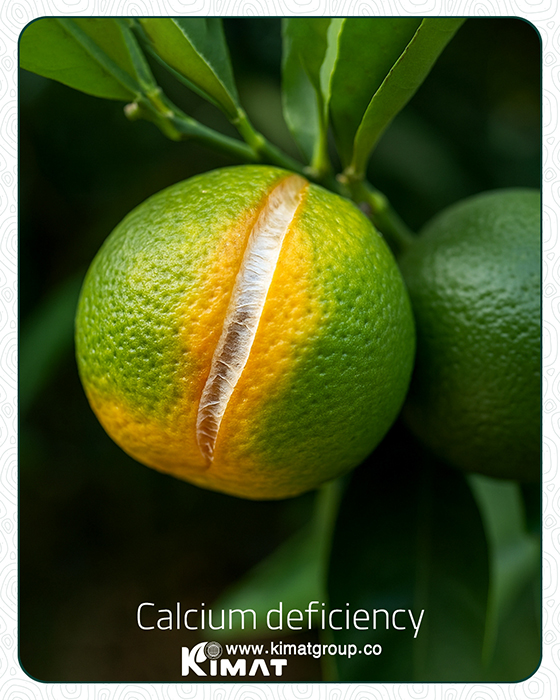
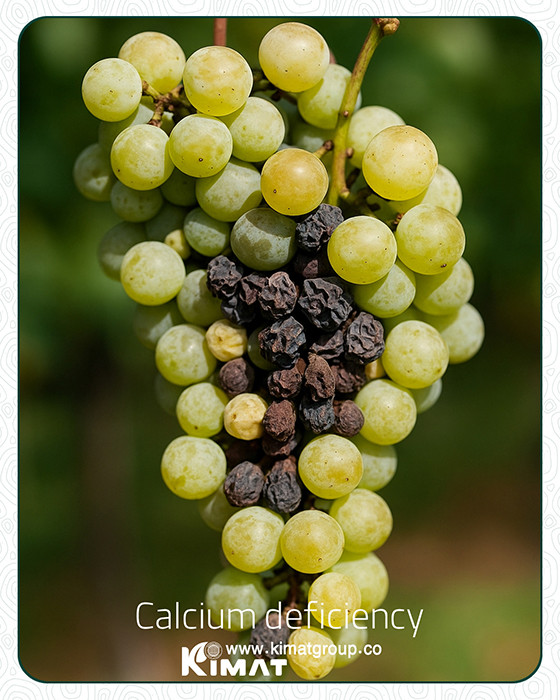
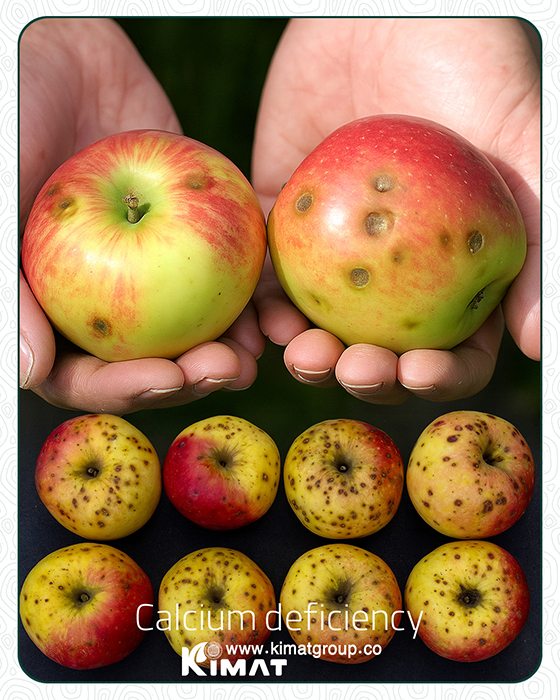


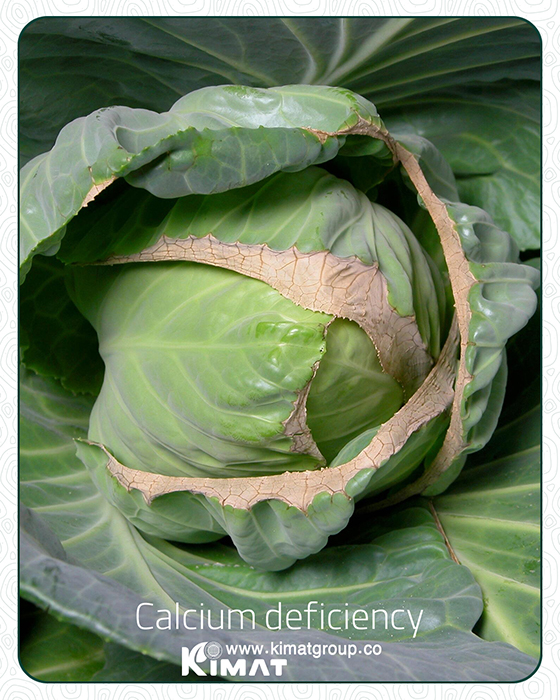
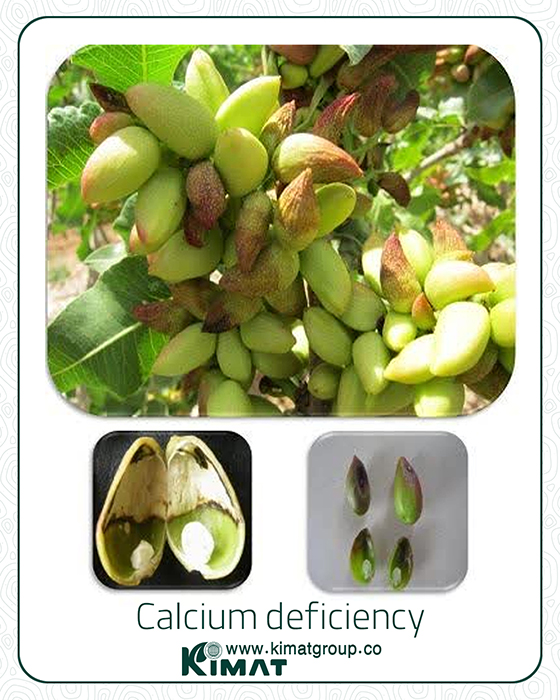
Causes of calcium deficiency in plants:
✅ Sandy and light soil
✅ pH lower than 5 in the soil
✅ High sodium
✅ Lack of organic matter
✅ Irregular watering
✅ High bicarbonate in irrigation water
Excessive use of potassium and nitrogen fertilizers
Prevention and treatment methods:
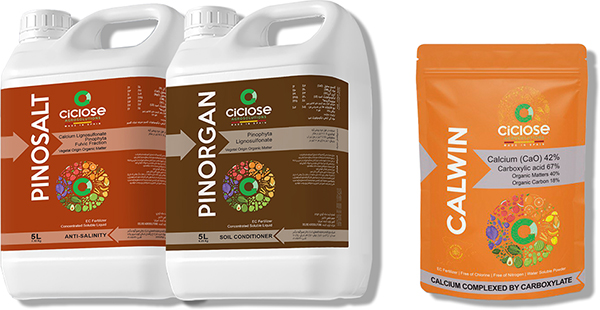
- Using calcium-containing amendment fertilizers in saline and sodic soils, such as Pinosalt from Ciclose Company
- Increasing organic matter in the soil, such as animal manure, or ready-made fertilizers on the market, such as Pinorgan.
- Foliar application of calcium before deficiencies are observed, such as using Calwin fertilizer.
- Use of pressurized irrigation systems
- Balanced fertilization